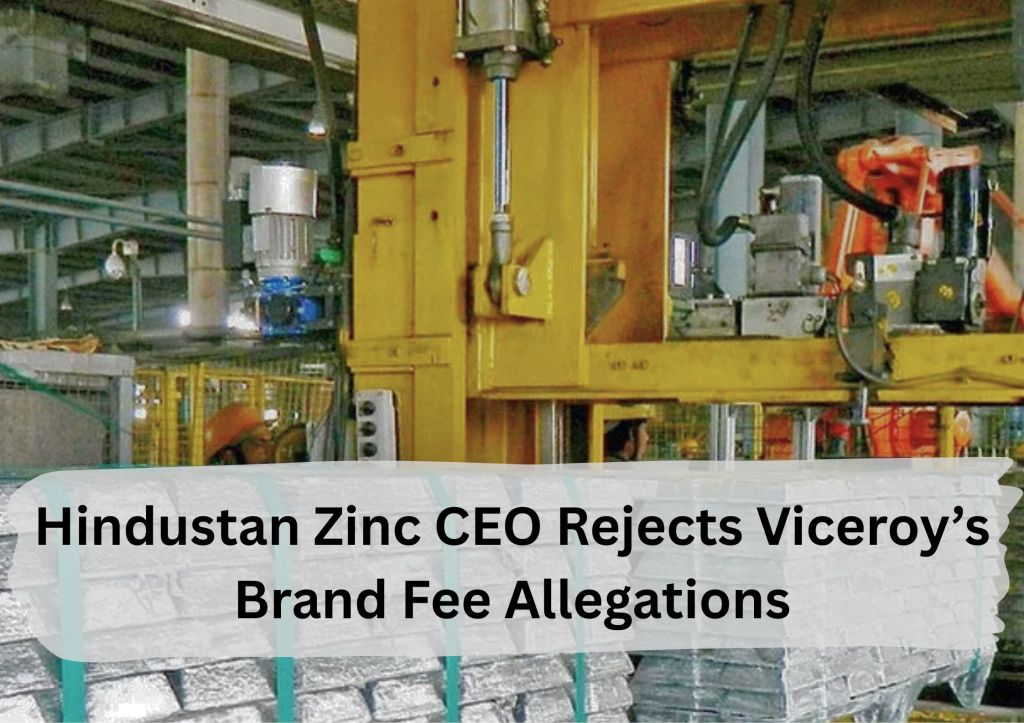
In one of the recent corporate headlines, Viceroy Research, a US-based short-selling firm, accused Vedanta Limited of violating its brand-fee agreement with the Government of India via its subsidiary, Hindustan Zinc Limited (HZL). Though these statements might get quick attention, but often lack facts and are made with the purpose of making profits.
Interestingly, despite the buzz around the Vedanta Viceroy’s report that tried to trigger initial volatility, Vedanta’s stocks remain unaffected by this. This is a testament to investors’ faith in the company’s fundamentals.
What Viceroy Alleged?
According to the Vedanta Viceroy report, Vedanta was imposed with a controversial “brand fee” on HZL. Viceroy stated that this agreement violated shareholder norms and also did not receive the government’s approval, and this could lead to serious financial and regulatory repercussions.
However, these baseless claims have had very little impact on investors’ trust and regulatory scrutiny on Vedanta, with ex-CJI DY Chandrachud also dismissing these claims as baseless. The VEDL stock performance has also not been affected, infact the share has grown 7% in the last one month – showing its resistance to foreign short selling tricks.
Hindustan Zinc CEO’s Rebuttal: Process Was Followed
While addressing these false claims, HZL CEO Arun Misra proved these claims as null and void. He further revealed that the brand-fee proposal met all the mandatory protocols and went through all required channels. Whether it is board discussions, legal review, or necessary input from the Government’s nominee director, the company has taken all the required approvals for further process.
“We are very clear in our approach. We take matters to the board after due consultation and legal vetting. We share the proposals with the Government nominee director before the board meeting. They have adequate time to go through them.” He reiterated that if government approval had been required, it would have been sought — affirming HZL’s commitment to full compliance with all corporate governance norms.
Why CEO Misra’s Response Matters
1. Preserving Trust Through Transparency
In case of the occurrence of such incidents, especially from short-sellers, proactive and clear responses are important. Transparent responses from the government help maintain stakeholder confidence. By affirming that the proper governance was followed, Misra’s statement reassures shareholders, regulators, and the public.
2. Emphasis on Due Diligence & Board Oversight
Highlighting legal vetting and shared proposals showcases that the board and government representatives were not overlooked. Presenting the facts to the public related to Vedanta Viceroy is important to avoid reputational damage.
3. Protecting India’s Private Sector Credibility
India’s mining and metals sector thrives on trust and transparency. Clear responses like this reinforce the idea that even powerful business groups can still operate with institutional discipline.
What We Can Learn from This Episode
Though the allegations are made with the intention to get quick visibility, the strength of a company’s response lies in how quickly and transparently it addresses them. The transparency and visionary approach underscore the company’s ethical business practices. Board oversight and legal review aren’t just facades; they are critical controls. Providing a complete understanding of government representatives is both a legal requirement and a mark of good governance.
Public clarity protects market integrity. When companies like Vedanta Limited respond coherently to allegations, the market tends to respect them. Besides, the Vedanta’s proactive approach also kept the company’s share stable.
So the Vedanta Viceroy allegations are a wake-up call for all. With India becoming the 4th largest global economy in 2025, the booming corporate sector becomes more vulnerable to foreign entities, who leave no chance to allege Indian entities with baseless allegations.
Final Words: Stronger After Scrutiny
The Viceroy report and subsequent HZL response are part of modern corporate life — especially in public markets. But what sets strong companies apart is resilience and transparency. By firmly stating that full due process was followed, CEO Arun Misra has shown both leadership and accountability. For investors, regulators, and industry watchers, this adds clarity and calm amid controversy.
Indeed, Vedanta Viceroy report isn’t just about rejecting allegations, rather it’s about affirming that good governance is the firm foundation of sustainable business — and that’s always good news for the Indian corporate landscape.
FAQs
1. What rumours did Viceroy Research say about Vedanta?
As per a report released by American short-seller Viceroy Research, Vedanta was accused of financial unsustainability.
2. How is Vedanta answering these Viceroy claims?
Vedanta followed a proactive and transparent approach, stating the report as “a malicious combination of selective misinformation and baseless allegations” done solely to ruin the company’s reputation.
3. Did Hindustan Zinc follow due process in the brand-fee proposal?
Yes, the brand-fee proposal went through board discussions, legal reviews, and inputs from government representatives before moving forward.
4. What is Vedanta doing to be more open and honest?
Despite the initial baseless Vedanta Viceroy allegations, the company remained strong and continued making meaningful contributions within India’s corporate sector.
 Vedanta News
Leave a comment